The most successful marketing strategies don’t begin when the calendar flips to a new year. They were built months before.
October may feel like the beginning of the year-end rush, with teams focused on wrapping up campaigns, meeting fourth-quarter goals and preparing for the holidays, but it’s also one of the most important times to look ahead.
Organizations that wait until January to start planning their marketing strategy risk spending the first few months of the year playing catch-up. Budgets are already being allocated, opportunities are taking shape and competitors may be moving forward with campaigns that have been months in the making.
The time to start planning your 2027 marketing strategy is now. Here’s where to focus your attention.
Before setting new goals, take a critical look at what’s working and what isn’t. Which campaigns generated meaningful engagement? What channels delivered the strongest return? Where did your marketing efforts fall short of expectations?
Beyond reviewing performance metrics, consider how your business and customers have evolved. A strategy that made sense at the beginning of 2026 may no longer reflect your organization’s priorities or your audience’s needs.
Use these insights to identify where to invest, what to improve and what to leave behind.
A successful marketing plan isn’t simply a calendar of campaigns and content. It’s a roadmap for supporting broader business objectives. Whether your organization is focused on generating leads, entering new markets, strengthening customer relationships or building brand awareness, every marketing initiative should have a clear purpose.
The clearer your goals are today, the more focused your marketing investments can be tomorrow.
Your audience shouldn’t be an afterthought in the planning process. Whether you’re marketing to consumers or businesses, expectations, purchasing behaviors and information needs continue to evolve. Take time to revisit your target audiences and understand what’s influencing their decisions.
Are you reaching the right people? Have new audience segments or opportunities emerged? Are your messages addressing the needs, challenges and motivations that drive purchasing decisions?
For B2C brands, that might mean understanding shifting consumer preferences and buying habits. For B2B organizations, it could mean reevaluating decision-makers, purchasing cycles and the factors influencing business relationships.
These insights should shape everything from campaign messaging and creative development to channel selection and content strategy.
It’s easy to approach annual budgeting by taking last year’s numbers and making a few adjustments. But effective marketing planning requires a more intentional approach.
Consider where your budget will have the greatest impact. That may mean shifting resources toward higher-performing channels, investing in new creative opportunities or building more integrated campaigns.
Planning early also provides time to evaluate potential investments, align internal resources and establish realistic expectations before the year begins.
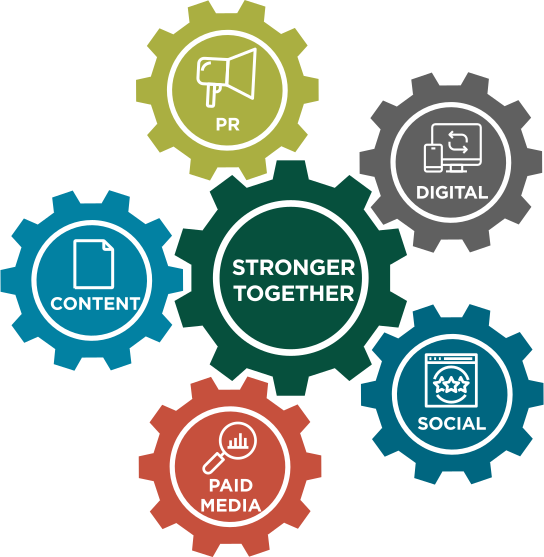
Your 2027 marketing strategy should connect the dots between your channels, not treat them as separate initiatives. Paid media, public relations, social media, email marketing, content and your website should work together to move audiences through the customer journey.
By mapping out campaigns and channel strategies in advance, you can create a more cohesive experience, reinforce your messaging and make every marketing dollar work harder.
January should be the time to put your marketing strategy into action, not the time to start figuring out what that strategy should be. Getting ahead of planning now gives your team the opportunity to make more thoughtful decisions, align resources and build campaigns with purpose.
At The Cyphers Agency, we help organizations connect business goals with strategic marketing plans that bring together the right audiences, messages and channels to drive meaningful results.